

Why AV Should Be Part of Your IT Strategy – Not an Afterthought
In today’s digitally connected workplace, audio-visual (AV) systems are no longer standalone components reserved for the boardroom—they’re central to how teams collaborate, share information, and stay productive. Yet in many organizations, AV still lives on the fringes of IT strategy, considered only at the tail end of office builds, relocations, or budget cycles.
That approach no longer cuts it. As hybrid work becomes the norm, and as digital experience increasingly defines employee satisfaction and productivity, AV must be seen as an integral part of your broader IT roadmap—not an afterthought. Here’s why.
1. Modern Collaboration Is Built on AV Infrastructure
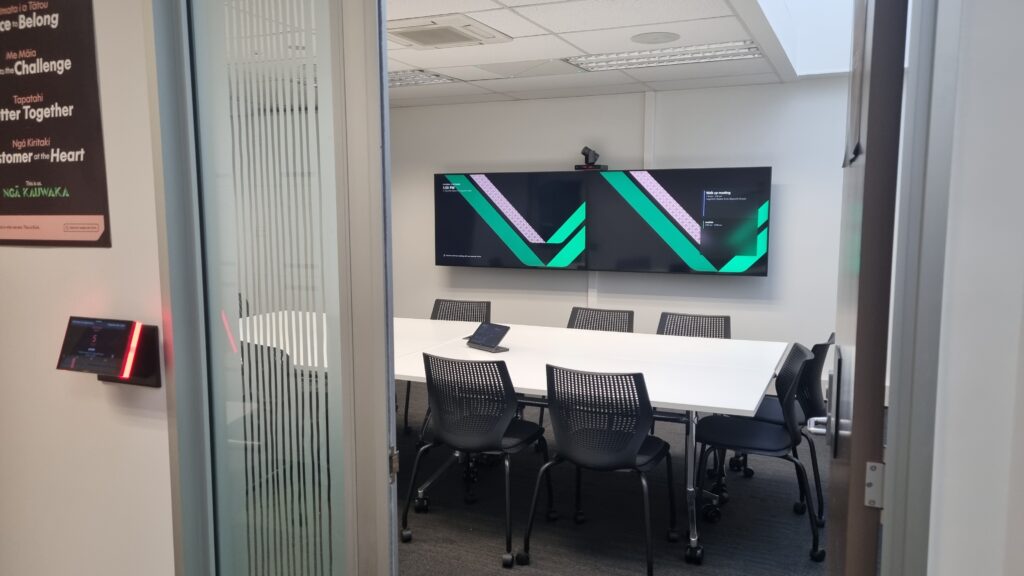
Whether you’re in a huddle room, a large conference space, or connecting globally via Teams or Zoom, your ability to collaborate depends heavily on AV. High-quality video, crystal-clear audio, and intuitive control systems aren’t “nice to have”—they’re foundational for effective communication.
Without properly integrated AV, even the best collaboration tools fall flat. Consider how often meetings are delayed or derailed by poor audio, glitchy video, or incompatible room systems. These aren’t just technical hiccups—they’re productivity drains and morale killers.

2. AV and IT Are Converging—Fast
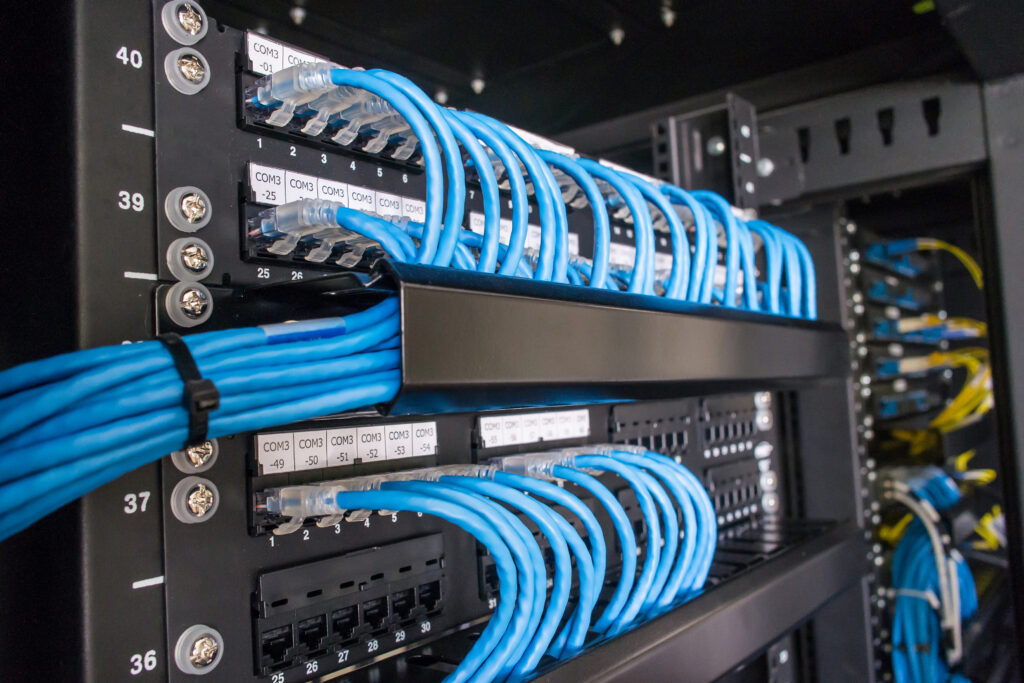
The days of siloed AV systems running on proprietary protocols are fading. Today’s AV systems are networked, software-driven, and increasingly cloud-managed. Technologies like AV over IP, remote monitoring, and API integrations mean AV is now deeply embedded in the IT ecosystem.
This convergence requires IT teams to think of AV systems like any other enterprise IT asset—needing regular updates, cybersecurity considerations, bandwidth planning, and support structures.
If IT isn’t involved from the start, you risk creating isolated systems that are difficult to manage, insecure, or incompatible with your larger tech stack.
3. AV Impacts User Experience and Workplace Perception
Your meeting rooms, digital signage, and event spaces aren’t just functional—they’re an extension of your company culture. When AV systems work smoothly, employees feel empowered. When they don’t, frustration builds quickly.
In hybrid and flexible work environments, AV often defines the first impression for both employees and clients. Poor audio or confusing controls suggest disorganization, while seamless experiences build trust and confidence in your brand.
Treating AV as a core part of IT strategy ensures the user experience is consistent, scalable, and aligned with your organizational goals.
4. Scalability and Standardization Start with Strategy
One-off AV installations lead to a patchwork of equipment, platforms, and support needs. Without an overarching AV strategy, scaling becomes a nightmare—different rooms, different systems, inconsistent training, and spiralling support costs.
By incorporating AV into your IT strategy early, you can:
- Standardize hardware across locations
- Simplify support and troubleshooting
- Leverage analytics and monitoring tools
- Streamline procurement and vendor relationships
This proactive approach not only reduces long-term costs but also delivers a more cohesive and manageable environment for both users and IT teams.
5. Security and Compliance Depend on IT Oversight
Network-connected AV systems can introduce serious vulnerabilities if they’re not properly secured. From room cameras to wireless presentation tools, each connected device is a potential entry point for cyber threats.
When AV is part of IT strategy, it benefits from the same security policies, monitoring tools, and compliance standards that govern the rest of the enterprise. That means fewer surprises—and stronger protection for sensitive meetings and data.
Final Thoughts
AV is no longer a niche discipline—it’s a business-critical function that underpins communication, collaboration, and employee experience. As the lines between AV and IT continue to blur, organizations that treat AV as a strategic priority—not a last-minute decision—will be better equipped to support modern work.
So the next time you’re planning an IT project, office redesign, or digital transformation initiative, ask this simple question: Have we factored AV in from the start?
Chances are, your teams—and your bottom line—will thank you.