

What CIOs Need to Know About Meeting Room Tech in 2026
The modern meeting room has become a strategic asset rather than a simple space with a screen and a table. As CIOs navigate rapidly changing expectations for hybrid work, 2026 is shaping up to be the year where meeting room technology either becomes a competitive advantage—or a source of ongoing friction. Here are the key themes CIOs should understand to future-proof their meeting environments.
1: AI Is Now a Core Layer, Not an Add-On
In 2026, AI has moved from “nice to have” features to the connective tissue that makes the entire meeting experience seamless. Video conferencing platforms now automatically optimize room audio, lighting, and framing. Real-time transcription and translation are no longer differentiators—they are table stakes.
Beyond that, AI copilots are beginning to provide contextual insights during meetings: summarizing discussions in real time, surfacing relevant documents, and capturing action items without manual input. CIOs should ensure that their meeting spaces are designed to integrate deeply with these AI capabilities and that their chosen platforms can evolve as new AI models emerge.
2: Interoperability Matters More Than Platform Loyalty
The days of locking into a single unified communications ecosystem are fading. Hybrid workforces, external partners, and distributed teams often use different platforms, and meeting rooms must adapt accordingly.
In 2026, CIOs should prioritize multi-platform compatibility, including:
- One-touch join for multiple video services
- Standards-based hardware that works across ecosystems
- Gateways or abstraction layers that allow flexibility if the organization shifts platforms
This approach reduces risk, extends hardware lifespans, and prevents costly rip-and-replace cycles.
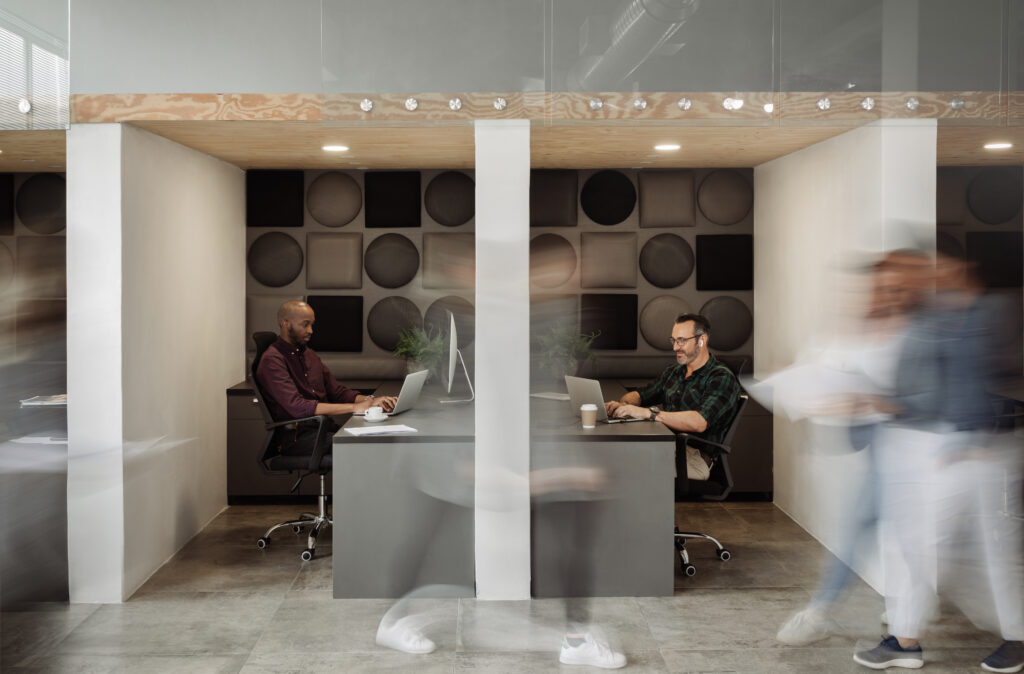
3: The Rise of “Smart Rooms” and Sensor-Driven Management
Meeting spaces are now expected to understand their users. Occupancy sensors, environmental monitors, and smart scheduling systems help facilities teams manage space utilization—and help IT reduce friction.
A smart meeting room in 2026 may:
- Auto-reserve itself when people walk in
- Optimize air quality and lighting based on occupancy
- Monitor device health in real time
- Provide analytics on how space is being used
For CIOs, this means investing in sensor networks and the backend systems that interpret their data. The result is fewer support tickets, less wasted space, and a more responsive workplace.

4: Focus on User Experience, Not Just Hardware
One of the biggest lessons since the rise of hybrid work is that the best technology means nothing if employees can’t use it easily. In 2026, user experience is a strategic priority, driving decisions such as:
- Standardizing interfaces across rooms
- Ensuring join processes take 10 seconds or less
- Minimizing cables and physical touchpoints
- Minimizing cables and physical touchpoints
CIOs should insist on pilot testing with real end users as part of procurement—and incorporate feedback loops into ongoing support.
5: Sustainability and Lifecycle Management Are Now Board-Level Requirements
Boards and regulators are placing higher expectations on environmental impact reporting. For meeting rooms, this means CIOs should consider:
- Energy-efficient devices that support low-power modes
- Hardware built with modular components for easy repairs
- Vendor take-back or recycling programs
- Software-driven feature upgrades that extend device lifespans
Sustainable decision-making also aligns closely with cost optimization, making it both a financial and environmental win.
6: Security Is Expanding Beyond the Network Layer
Finally, with more intelligent devices in more physical spaces, meeting rooms are no longer passive endpoints. CIOs must update their threat models to include:
- Hardening of in-room IoT devices
- Identity-driven access control for room systems
- Routine firmware monitoring and automated patching
- Data governance around meeting recordings and transcripts
Security risks often arise from unmanaged or outdated room hardware—making proactive lifecycle oversight critical in 2026.
Bottom Line:
Meeting room technology is becoming a cornerstone of the hybrid workplace. In 2026, CIOs must approach meeting rooms not as isolated AV projects but as interconnected, AI-driven, user-centric environments that reinforce organizational agility. The organizations that get this right will see smoother collaboration, higher productivity, and a more resilient workplace ecosystem.