
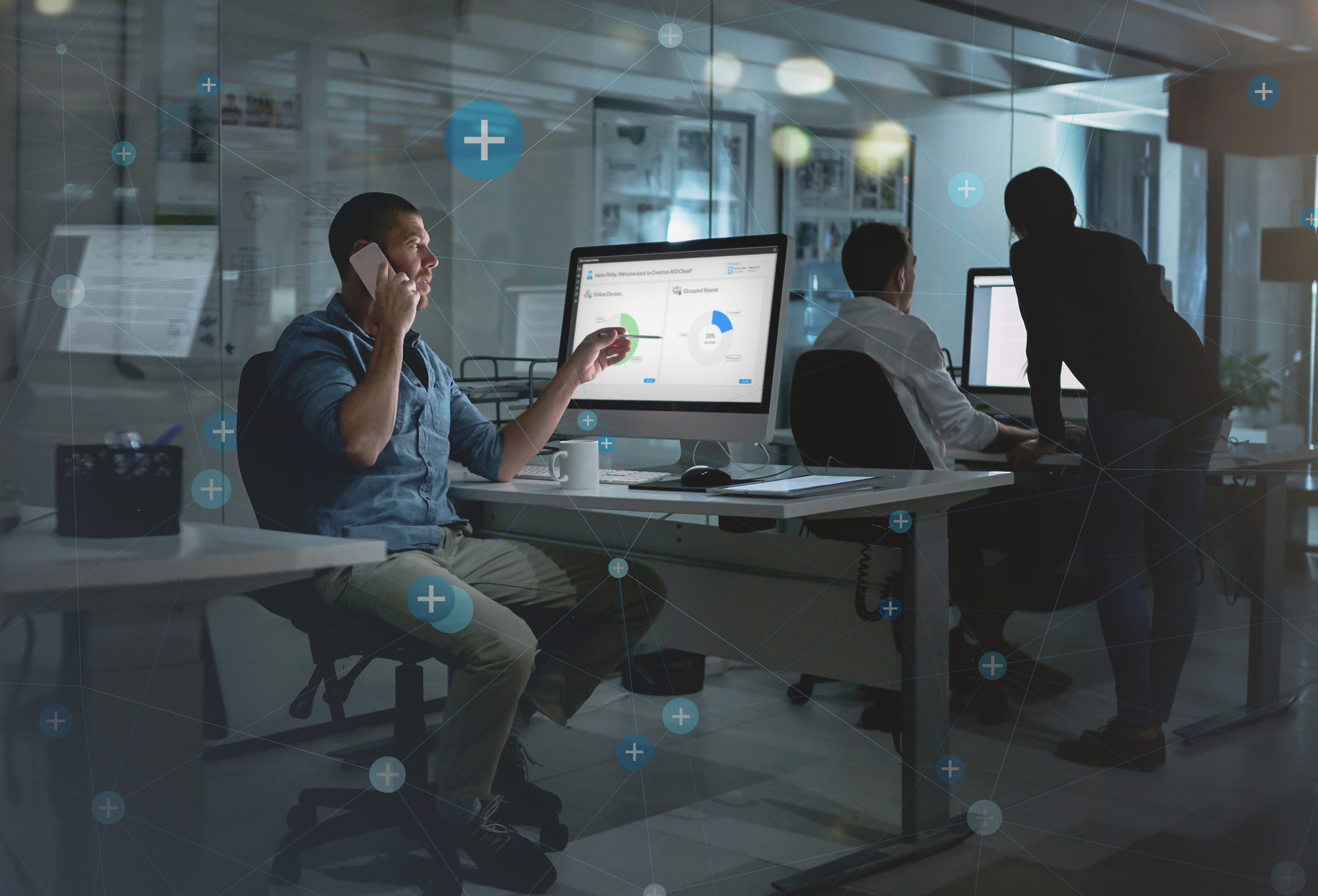
From Reactive to Proactive: Using Analytics to Monitor AV Room Health
In today’s hybrid workplace, reliable audio-visual (AV) systems are essential to effective collaboration. But for many organizations, managing AV room health is still a reactive process—waiting for something to break before taking action. This not only disrupts meetings but also erodes user trust in the technology.
Fortunately, there’s a better way. By leveraging real-time analytics and monitoring tools, IT and AV teams can shift from a reactive model to a proactive approach, identifying issues before they impact users and optimizing room performance over time.
Why Reactive Doesn’t Cut It Anymore
In the past, AV systems were largely isolated, and problems often went unnoticed until a user submitted a support ticket—usually mid-meeting. This approach has several drawbacks:
- Delayed response times
- Lost productivity due to downtime
- Frustration from repeated issues
- Lack of visibility across multiple rooms or locations
With the rise of software-based AV and cloud-connected devices, the tools now exist to detect, diagnose, and even prevent issues automatically.

The Power of AV Room Analytics
Modern AV platforms now come with built-in analytics capabilities or integrate with third-party monitoring solutions. These tools collect data from endpoints like cameras, microphones, displays, processors, and conferencing software. The insights they provide can be game-changing:
- Device Health: Get alerts when hardware is disconnected, overheating, or performing abnormally.
- Usage Metrics: Understand how often rooms are used, by how many people, and for how long.
- System Performance: Monitor audio quality, video resolution, network latency, and more.
- Meeting Success Rates: Track how many meetings start on time, how many encounter technical issues, and what the root causes are.
Armed with this data, IT teams can address problems before users even notice them.
Proactive Monitoring in Action
Let’s look at how proactive analytics can make a real difference:
Issue Detection and Alerts
Instead of waiting for a user to complain that a camera isn’t working, your monitoring dashboard can automatically detect the failure and send an alert. IT can then troubleshoot remotely—or dispatch support before the next meeting begins.
Predictive Maintenance
Analytics can reveal patterns that indicate devices are nearing end-of-life or need servicing. For example, a microphone might show increasing error rates over time—letting you replace it proactively, rather than after it fails.
Capacity and Utilization Planning
Are your 12-person boardrooms being used for 2-person meetings? Are certain rooms underutilized while others are always booked? Usage analytics help you make informed decisions about room resizing, repurposing, or investment in new spaces.
Standardization and Compliance
With centralized monitoring, you can ensure all rooms meet baseline standards for AV quality, software versions, and configuration settings—regardless of location.

Implementing a Proactive AV Strategy
To get started, consider these steps:
- Deploy cloud-connected AV hardware that supports remote monitoring.
- Choose an analytics platform that integrates across your devices and meeting platforms.
- Define key metrics: What matters most—uptime, user satisfaction, usage rates?
- Set thresholds and alerts for critical issues.
- Establish workflows for automated ticketing, escalation, and resolution.
- Review reports regularly to identify trends and improvement areas.
Platforms like Crestron XiO Cloud, Zoom Rooms, Microsoft Teams Admin Center, and others offer increasingly powerful tools for managing AV environments at scale.
Final Thoughts
As workplaces become more reliant on collaboration technology, AV systems must be treated like any other mission-critical infrastructure. By shifting from reactive firefighting to proactive monitoring, organizations can reduce downtime, improve user satisfaction, and make smarter investments in their meeting spaces.
Analytics isn’t just about fixing what’s broken—it’s about building smarter, more resilient AV ecosystems that power the future of work.