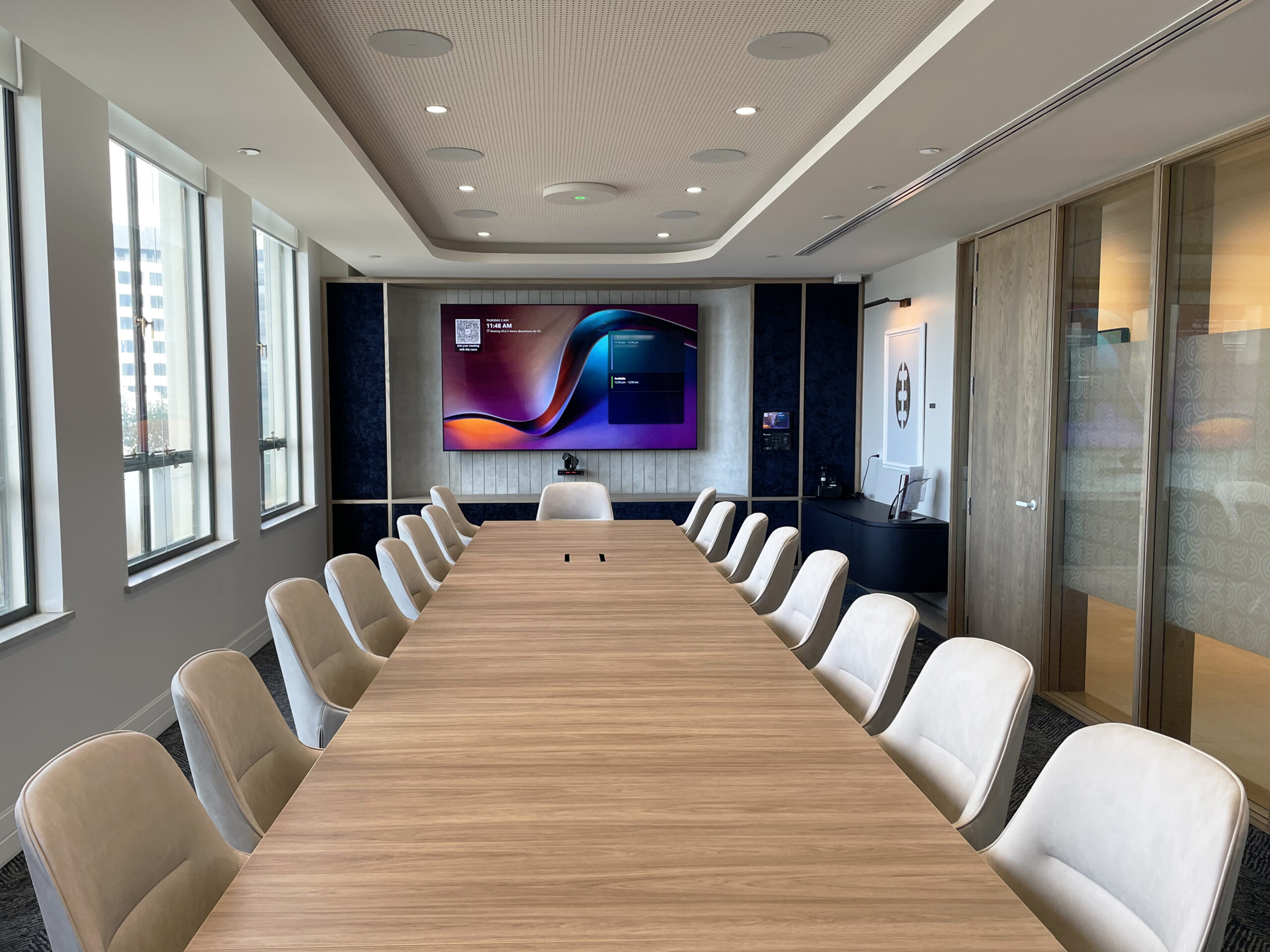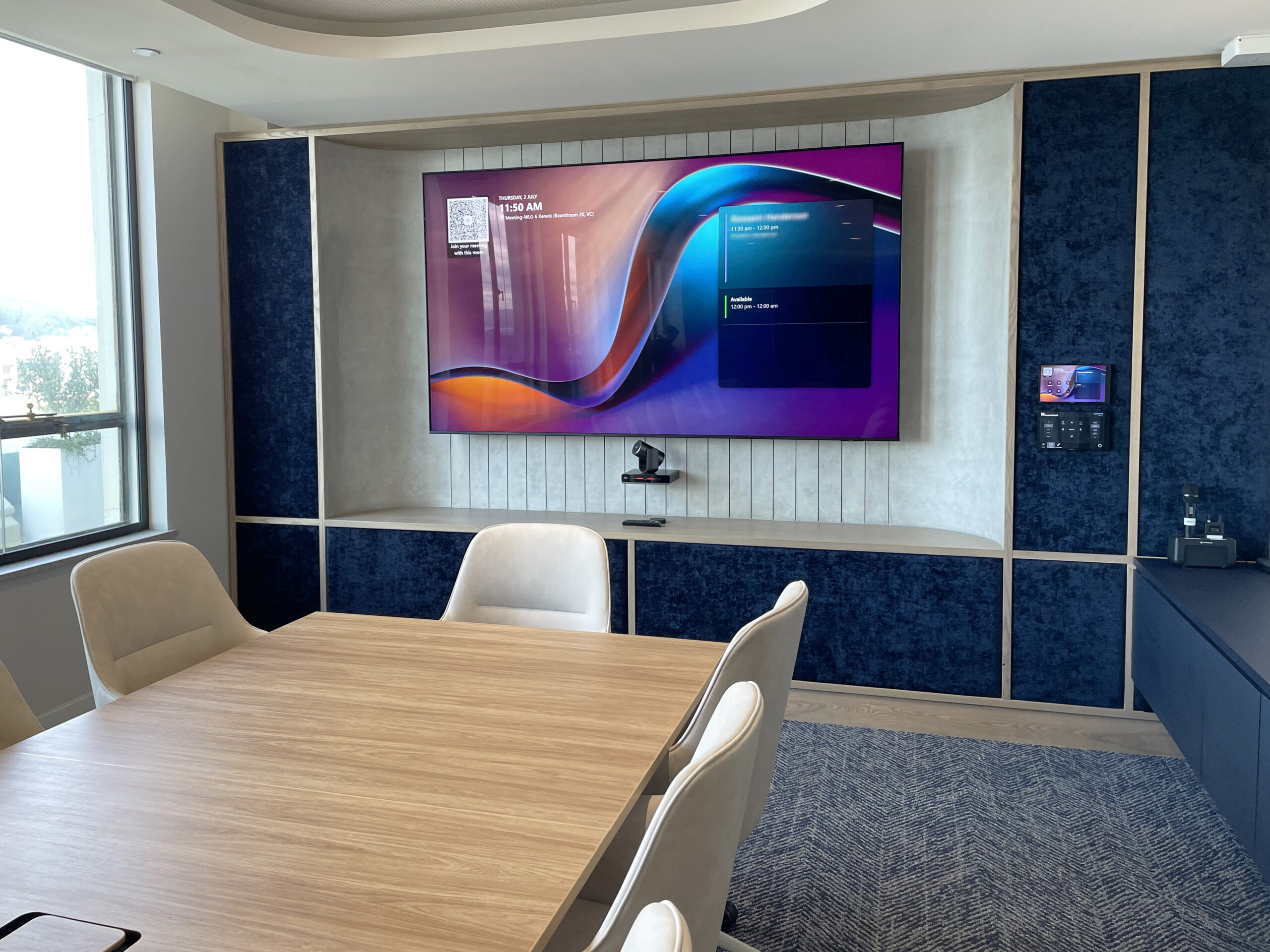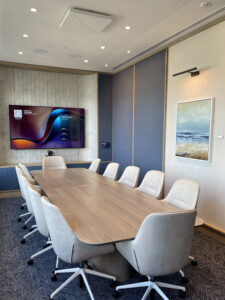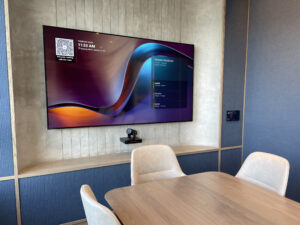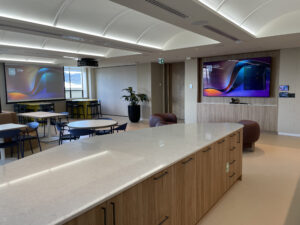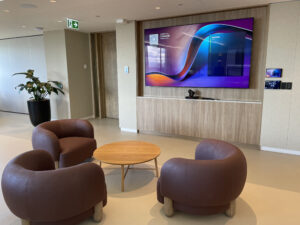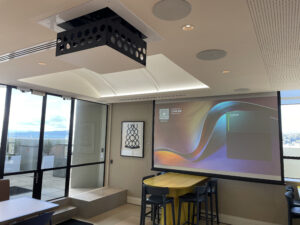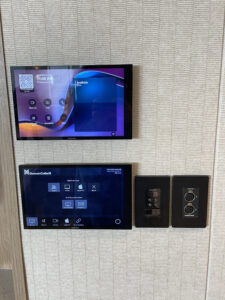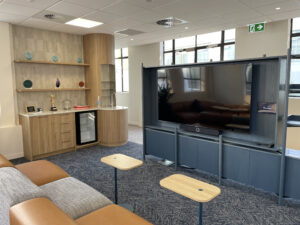
Successful workplaces are designed around how people work – and that includes the technology they rely on every day. Recognising this, Duncan Cotterill integrated workplace technology into the design of its new Wellington office from the outset, ensuring collaboration, flexibility and user experience were considered alongside the law practice’s new physical environment.
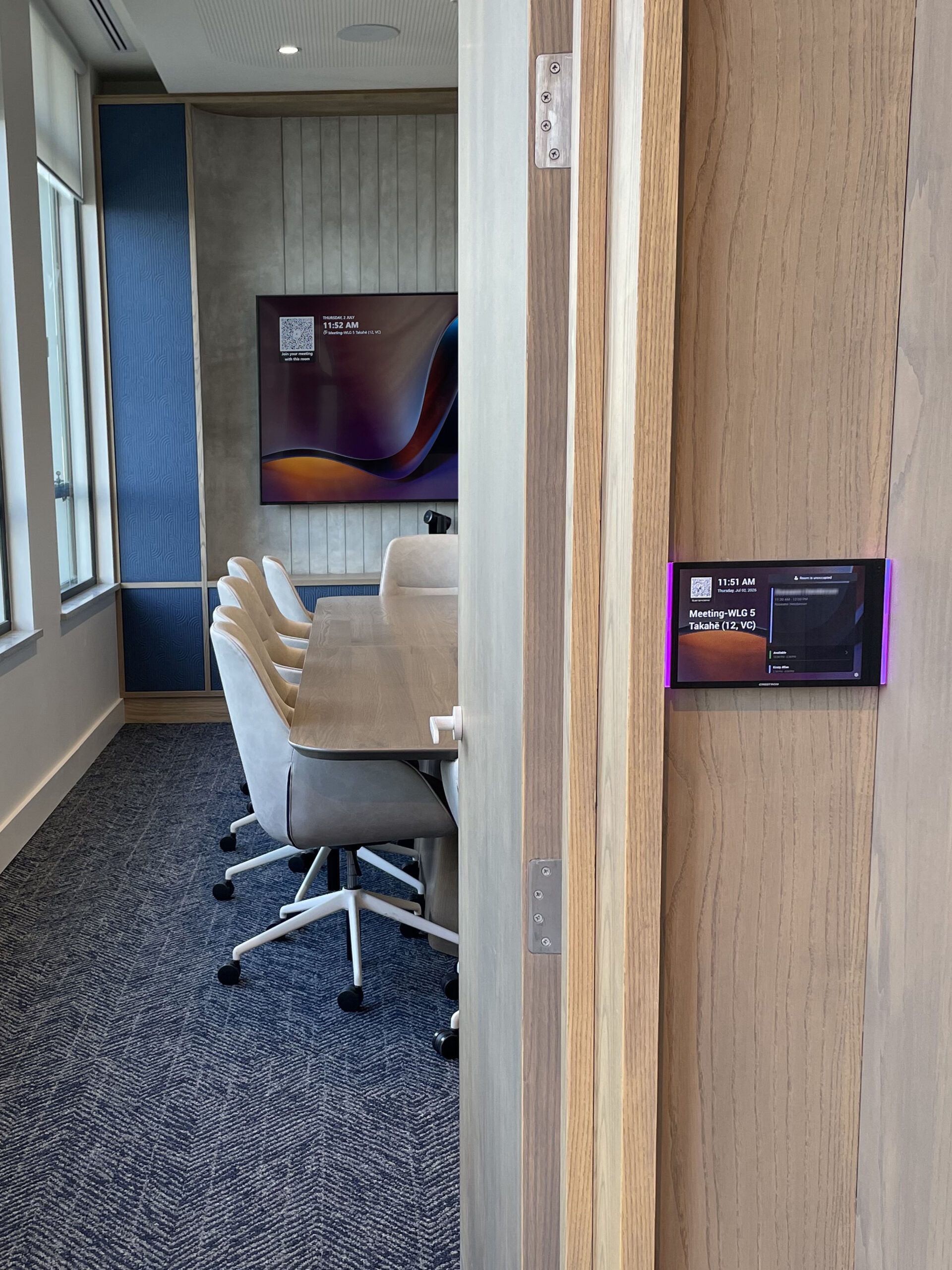
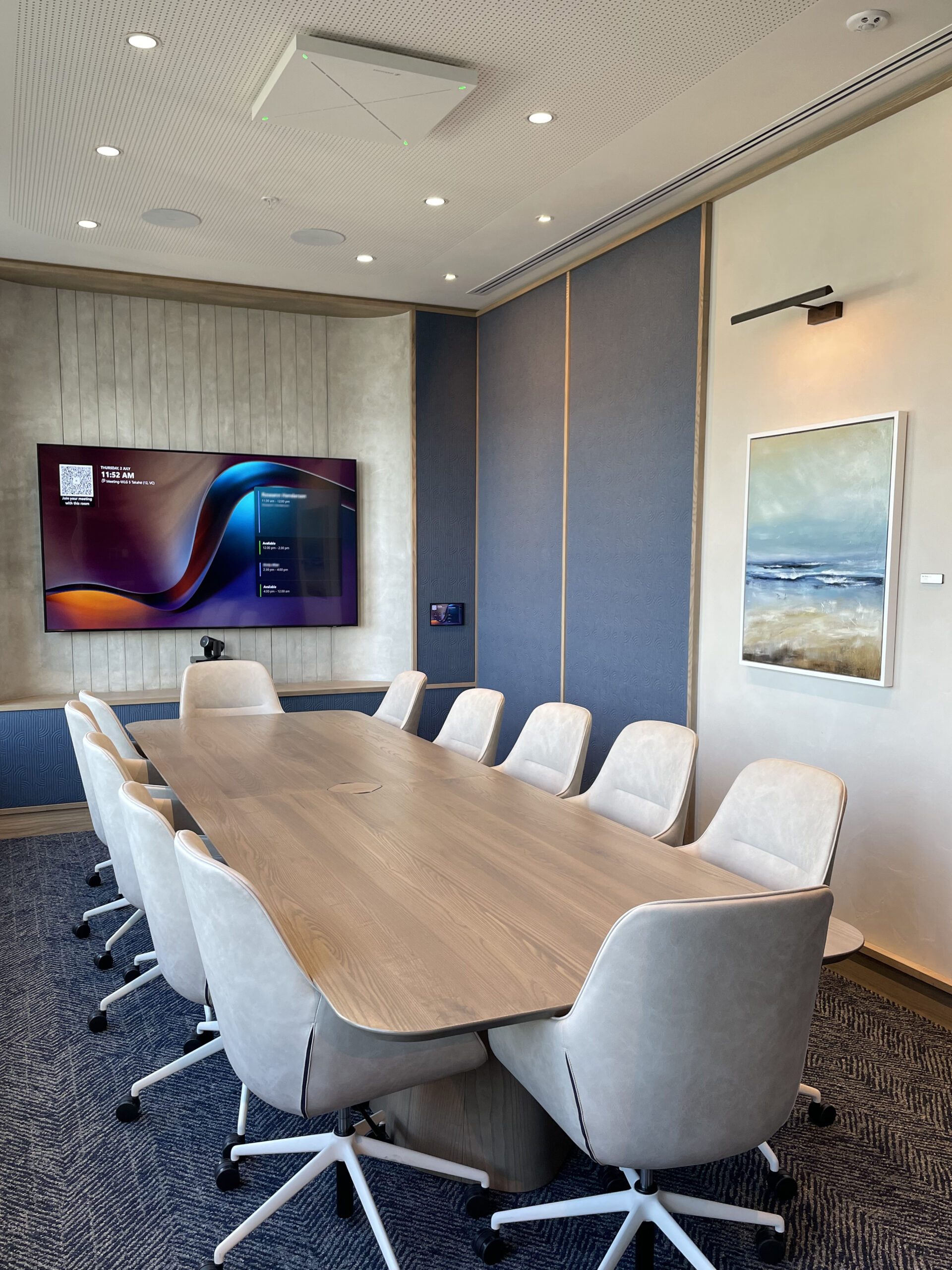
The firm’s new Customhouse Quay office accommodates and features a connected workplace comprising nine collaboration spaces, designed to support seamless experiences for both in-person and hybrid working.
Flexible working was also an important consideration in the office design. Duncan Cotterill’s Wellington team can work remotely, making reliable hybrid collaboration technology essential to maintaining strong internal connections and delivering a seamless, high-quality experience for clients.
“We wanted the technology to feel seamless and intuitive across the whole office,” says Alysha Hinton, Partner at Duncan Cotterill.
“A lot of Teams meetings happen every day and with the setup we have now, people can walk in and start meetings without needing to worry about the technology getting in the way.”
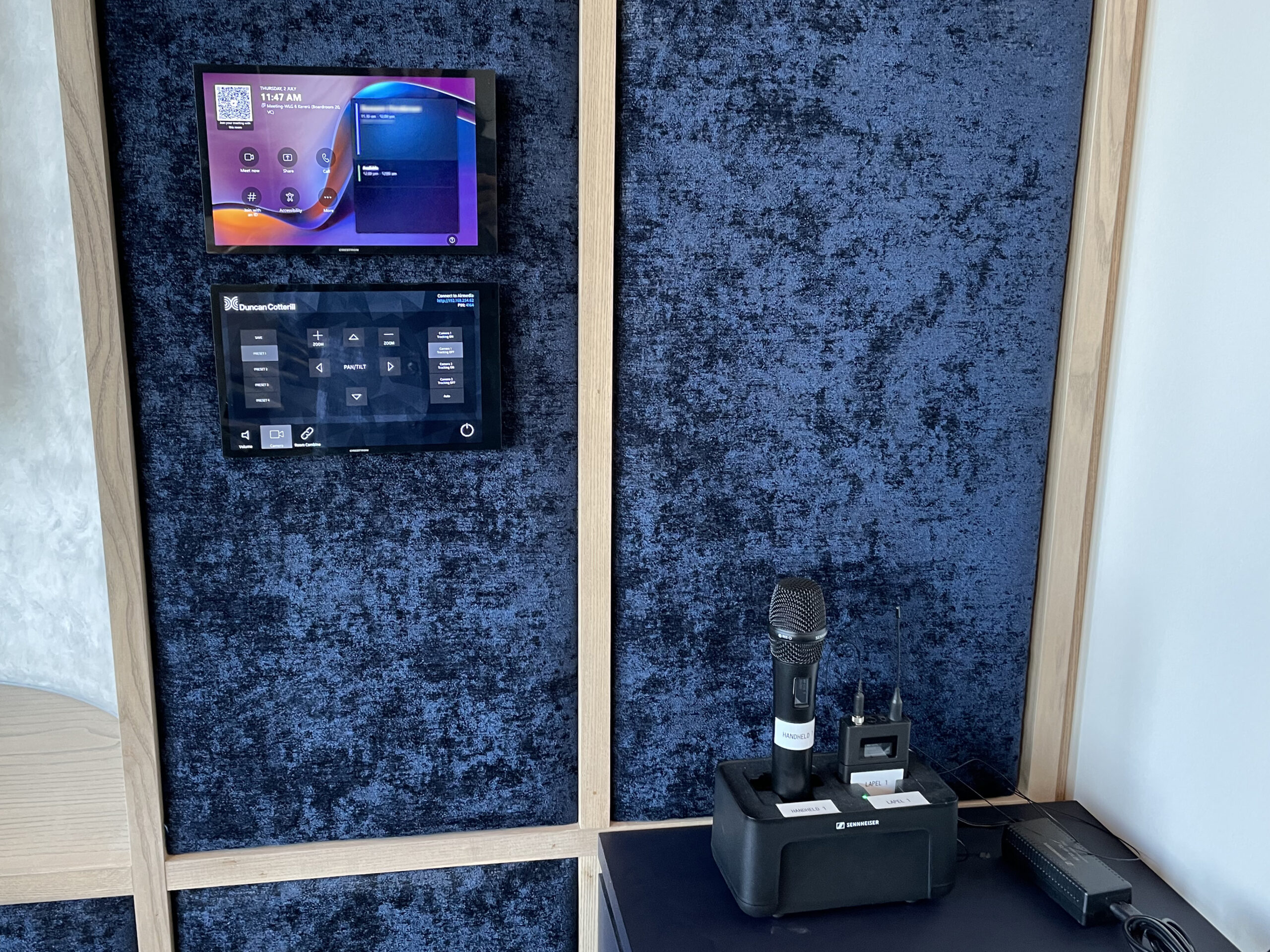
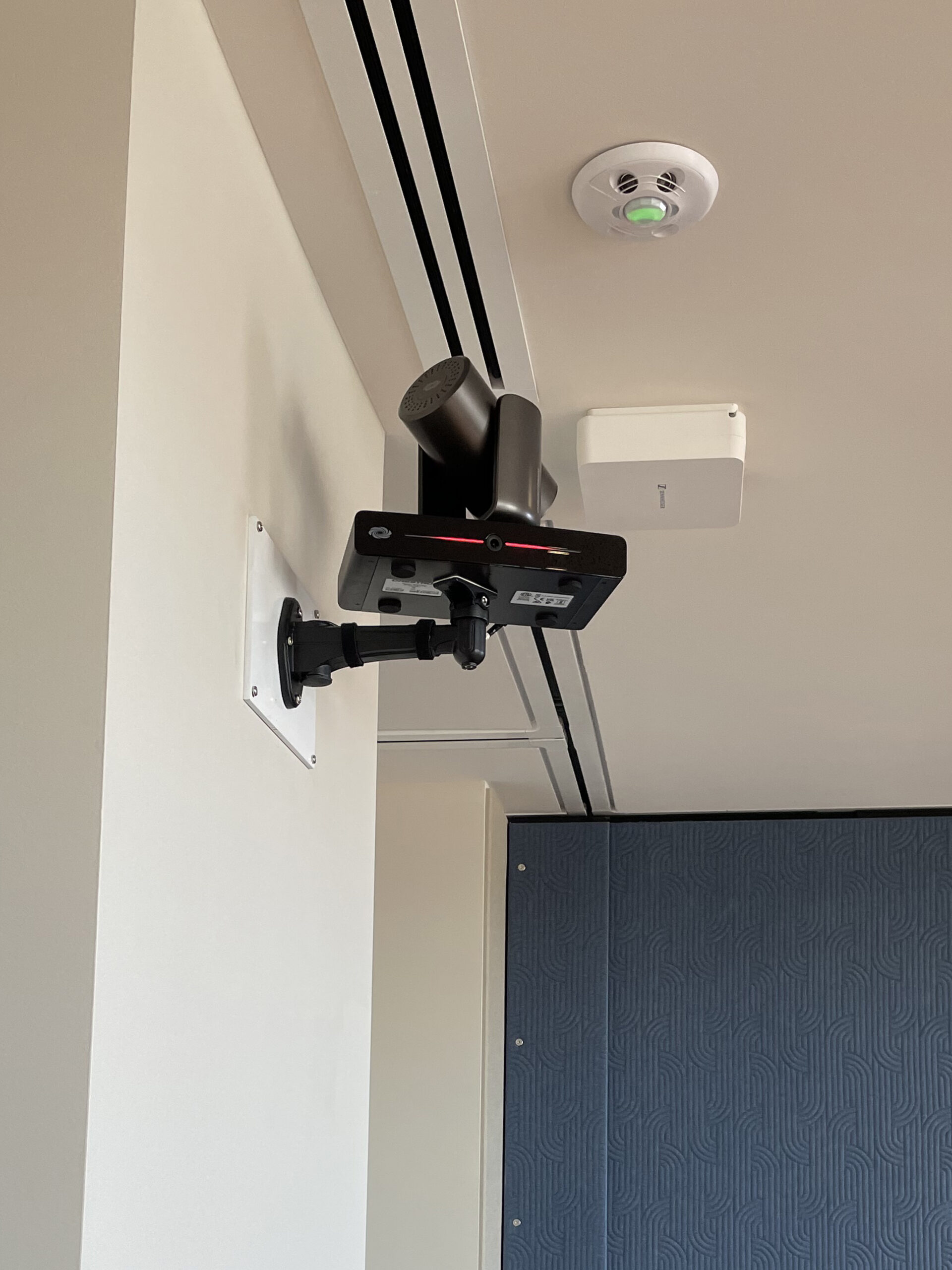
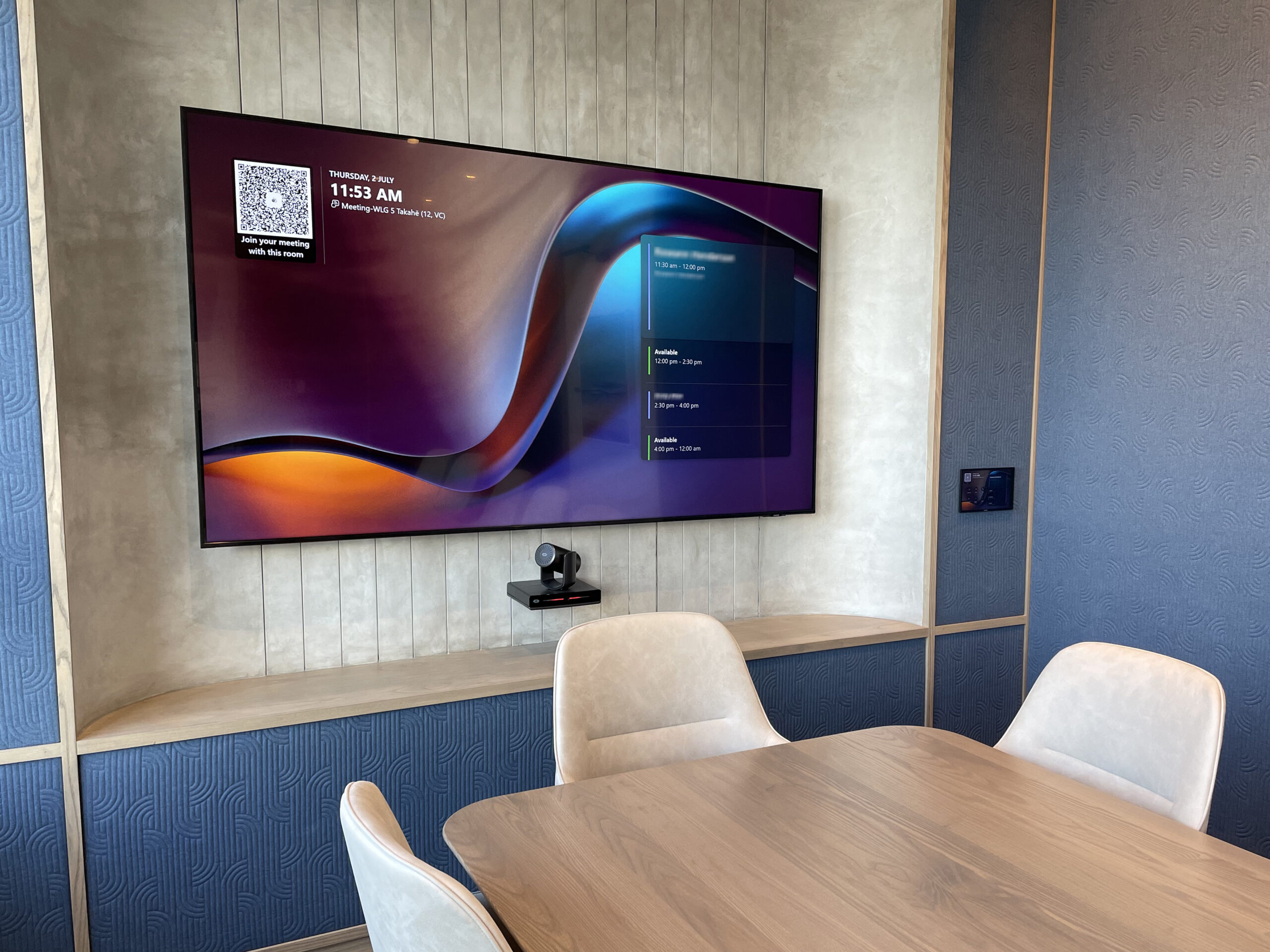
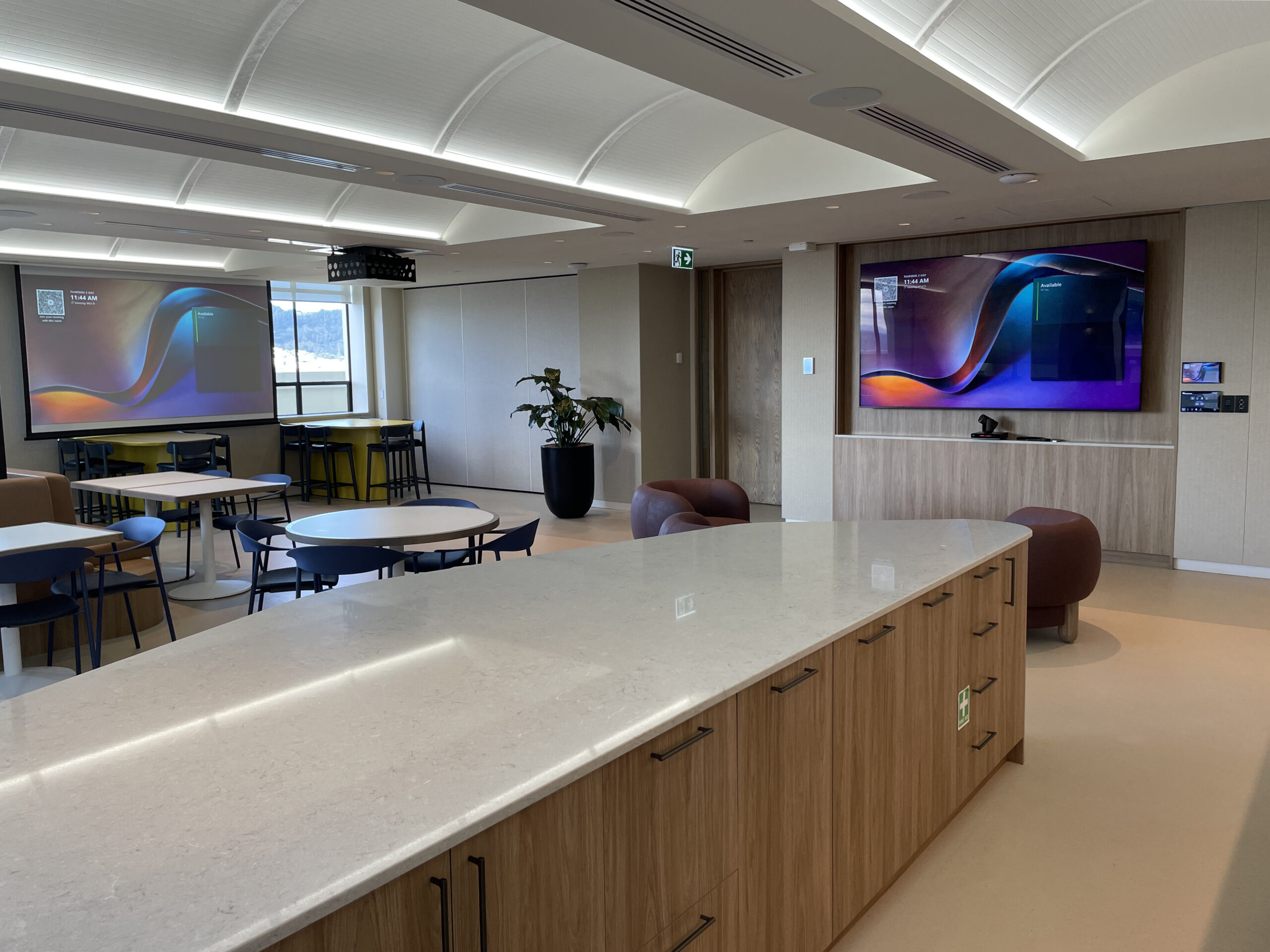
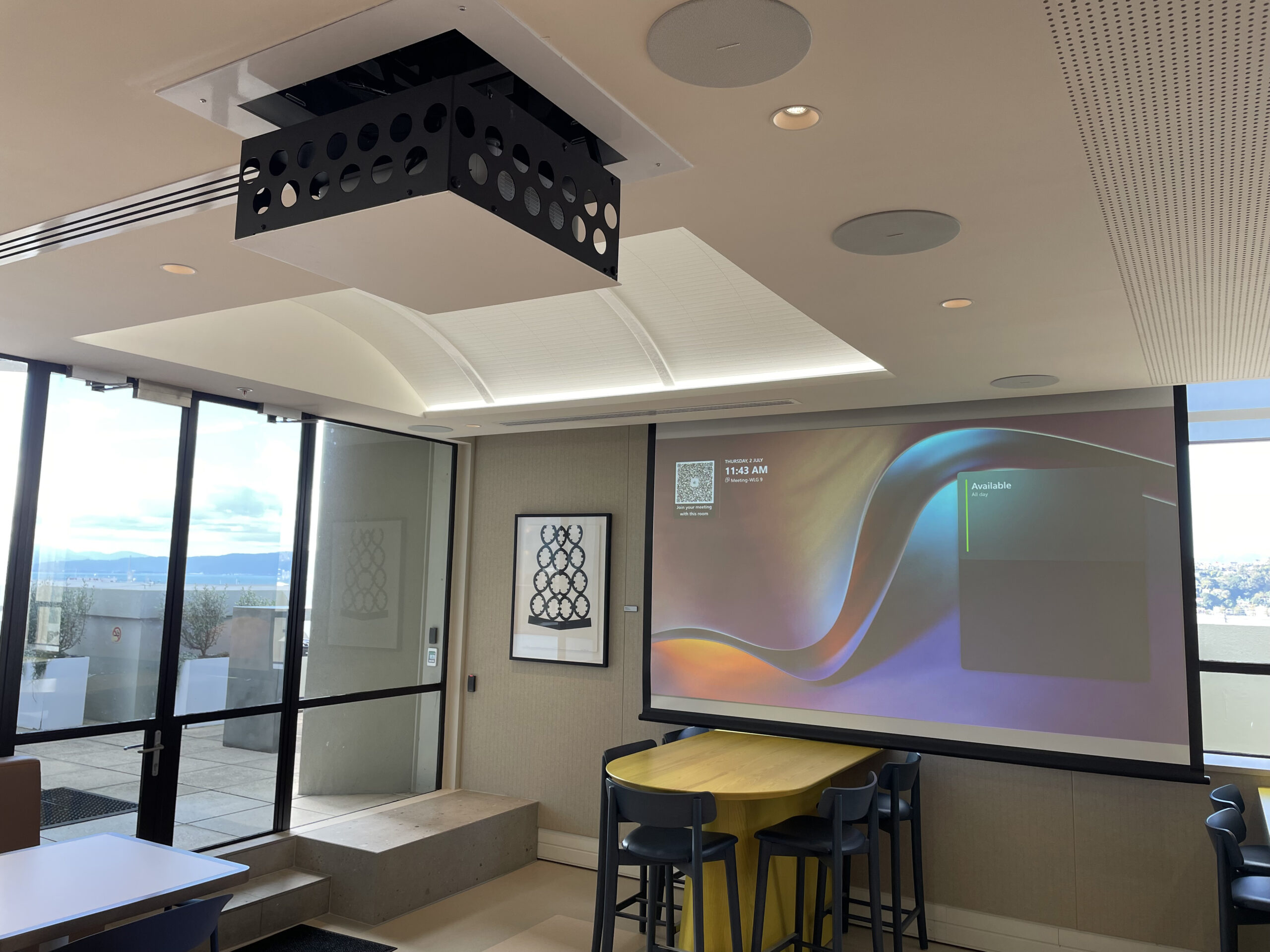
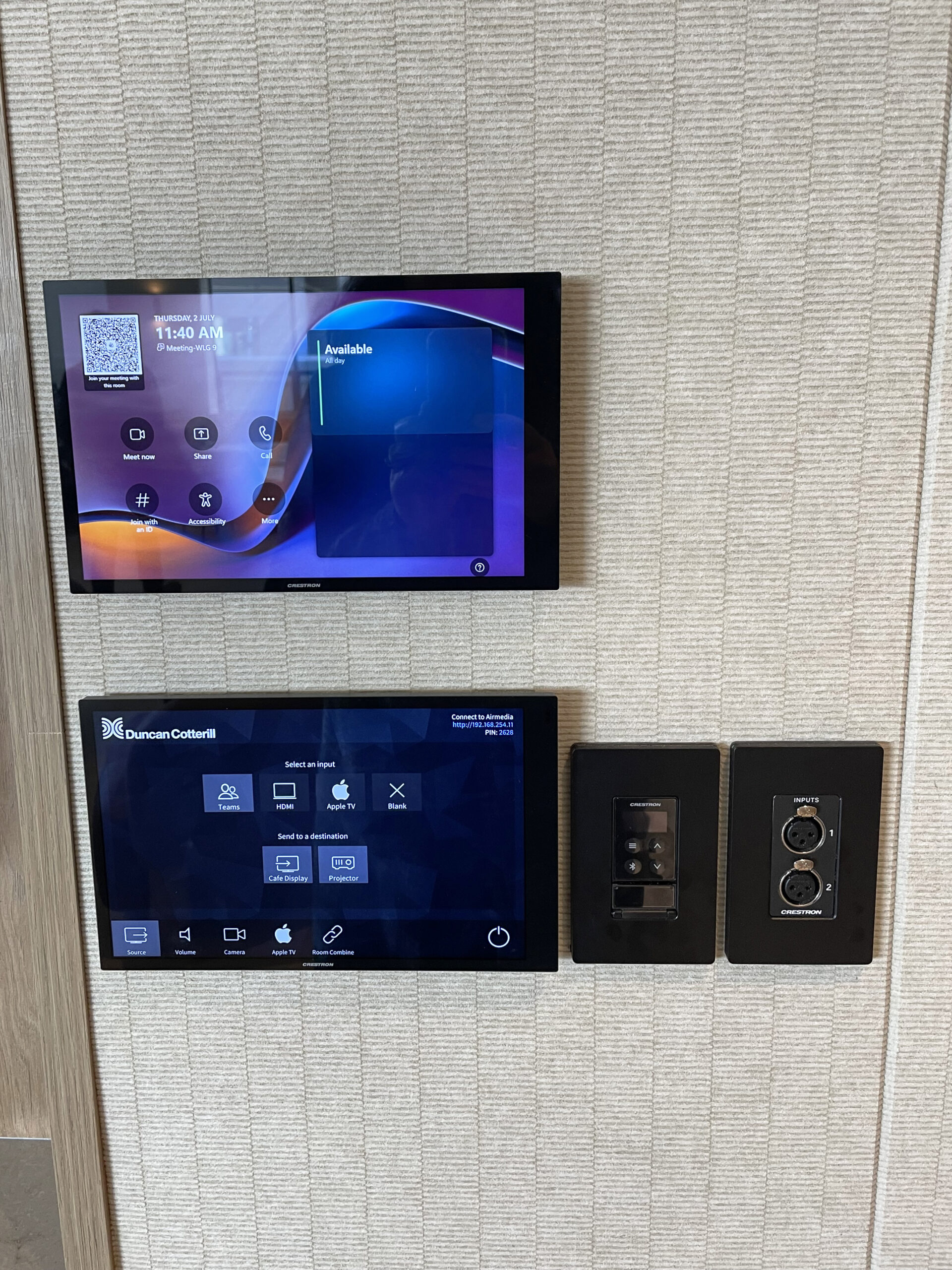
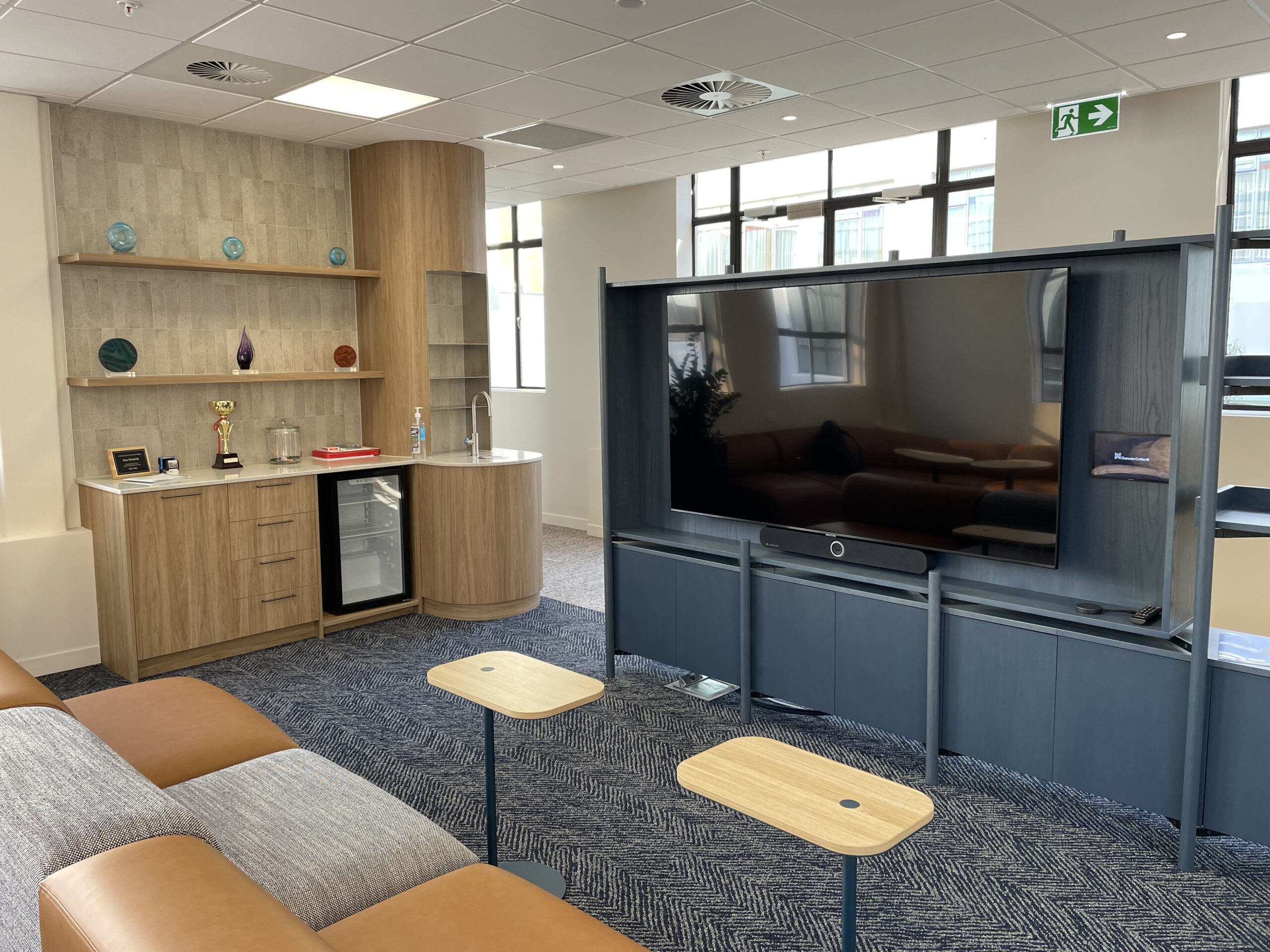
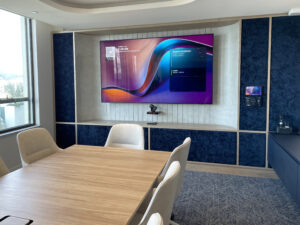
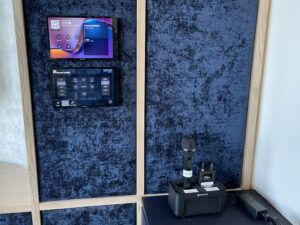
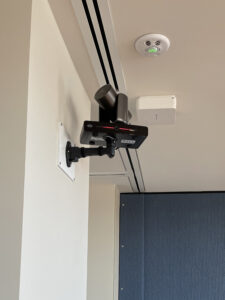
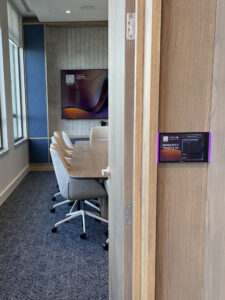
TenFour delivered a fully integrated Microsoft Teams Rooms-enabled AV solution across a connected suite of nine areas throughout the office, including boardrooms, meeting rooms, breakout environments and shared collaboration spaces. The solution used Crestron hardware throughout, wireless conferencing, integrated audio and video systems, and flexible room configurations designed to support both in-person and remote collaboration. The spaces were underpinned by a secure, networked AV architecture that enabled consistent performance and simplified management across the workplace.
Importantly, the collaboration technology was planned as part of the workplace design early on, allowing spaces to be designed around flexibility, hybrid collaboration and ease of use.
“Some of the spaces can be used in different ways depending on what we need,” says Hinton.
“The flexibility of being able to combine rooms and adapt spaces has been really valuable for us.”
Spaces were tailored to the firm’s operational needs – including an internal meeting room that doubles as a virtual courtroom, with cameras, screens and conferencing technology permanently installed and ready to go at the press of a button, rather than requiring equipment and furniture to be rearranged before each hearing.
Hinton says that simplicity has helped reduce friction for lawyers working in fast-moving environments where meetings and virtual appearances are often time-sensitive.
“People can walk in and focus on the discussion or hearing itself, rather than spending time trying to get the setup working.”
Audio quality across its spaces has also been one of the most noticeable improvements.
“Good sound quality makes a real difference in hybrid meetings,” says Hinton.
“Our ceiling speakers give us confidence that everyone in the room – and everyone joining remotely – can hear and participate properly.”
Over the course of the 18-month project, multiple stakeholders across the business were involved, including IT, workplace and operational teams, with the Wellington team’s input into how the spaces looked and functioned considered from the beginning.
Duncan Cotterill also involved TenFour at the planning stage following advice from the architect and other workplace advisors, who recommended the collaboration technology be planned upfront.
Kirsten Wood, Head of Business Operations at Duncan Cotterill, says involving TenFour during the planning phase helped ensure the spaces were designed to support both the functional needs of the office and the technology requirements early in the process.
“We were conscious that if technology wasn’t considered early, it could become a retrofit exercise later on,” says Wood.
“Bringing TenFour into the process from the beginning meant we could properly plan for the technology requirements upfront – both from a budget and design perspective – while ensuring the spaces worked visually and functionally from the beginning.”
She says TenFour worked collaboratively with the firm as the project evolved.
“The TenFour team was easy to work with throughout the project. They were open and communicative whenever challenges or concerns came up, and flexible in working through solutions with us as the fit-out progressed.”
Other features have quickly become embedded across the office, including wireless content sharing and integrated Bluetooth audio in shared spaces.
“There’s a strong social culture within the office and people use the spaces in lots of different ways throughout the day and occasionally into the evenings when we may be hosting clients or if the team is enjoying Friday night drinks,” says Hinton.
“The systems support that flexibility and have become part of the environment rather than something people need to think about.
“We’ve had really positive feedback from people about how easy the spaces are to use.”
The collaboration technology is also continuing to deliver value beyond the physical installation. Through Crestron XiO Cloud, a technology management platform, Duncan Cotterill can see how and when its collaboration spaces are being used, providing valuable insights that support future workplace planning, technology decisions and continuous improvement as the needs of the business evolve.
The project reflects a broader shift in how organisations are thinking about workplace collaboration.
Hybrid meetings are now part of daily operations for most businesses, yet many workplaces still treat collaboration systems as something to be layered in after key design decisions have already been made.
For Duncan Cotterill, considering these requirements early helped ensure the spaces supported both the physical workplace and the way people collaborate today.
“People don’t remember the technology when it works well,” says Hinton.
“They remember whether the meeting felt seamless, whether they could collaborate properly, and whether the space simply worked.”