

Designing Spaces for Inclusion and Accessibility with AV
Creating inclusive workplaces is no longer just a nice-to-have — it’s essential for organisations that want their teams to feel supported, engaged, and able to contribute fully. While accessibility is often associated with physical design elements such as ramps, lighting, and furniture layout, technology also plays a critical role.
Thoughtfully designed audiovisual (AV) systems can help ensure that meeting rooms, collaboration spaces, and shared environments are accessible and inclusive for everyone.
Making Meetings More Accessible
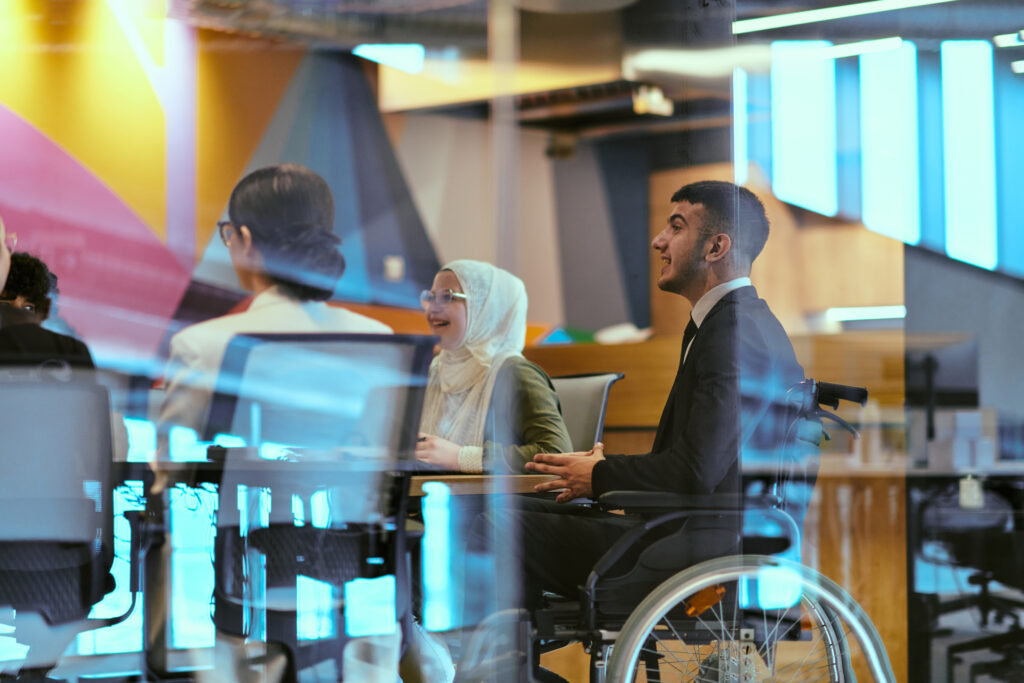
Hybrid work has transformed how organisations communicate, but it has also introduced new accessibility challenges. Without the right technology, remote participants can struggle to see presentations clearly, hear discussions, or participate equally in conversations.
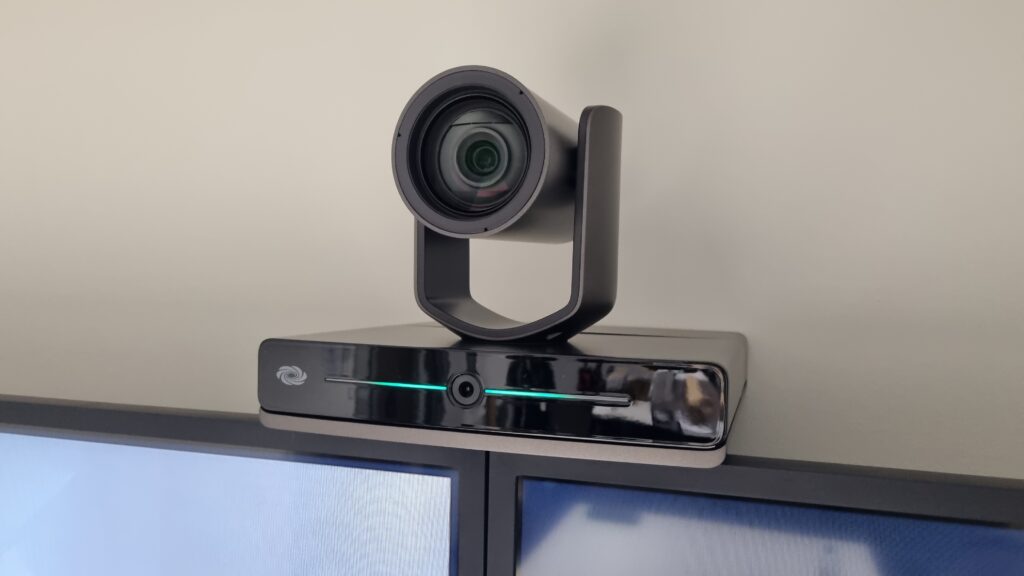
Well-designed AV systems help bridge this gap. High-quality microphones and speakers ensure everyone in the room can be heard clearly, while intelligent cameras automatically frame speakers so remote attendees can stay engaged. Large, high-resolution displays also ensure presentations are visible to everyone, including participants with visual impairments or those joining from different locations.
When these technologies are integrated effectively, meetings become more inclusive — allowing every participant to contribute, regardless of where they are.
Supporting Different Communication Needs
Inclusive spaces recognise that people communicate and process information in different ways. AV solutions can support a variety of communication preferences and accessibility needs.
For example, technologies such as real-time captioning and speech-to-text tools help participants who are deaf or hard of hearing follow discussions. Clear display systems allow written information, visuals, and presentations to be easily shared with the room.
Digital signage can also play a role in accessibility by providing clear, consistent wayfinding and messaging throughout a workplace or public space. When designed with readability and contrast in mind, digital displays can help ensure important information is accessible to everyone.
Designing with Flexibility in Mind
Accessibility is not always about specialised solutions — often it comes down to flexible design. AV systems that are easy to use, adaptable, and intuitive help reduce barriers for all users.
Simple touch-panel controls, wireless presentation systems, and consistent room setups can make technology more approachable for everyone, including those who may be less confident using AV tools.
Flexible meeting spaces also allow organisations to adapt environments for different needs, whether that’s a collaborative workshop, a hybrid meeting, or a presentation to a larger group.
Inclusion Through Better Technology Design
True inclusion happens when spaces are designed with all users in mind from the start. By considering accessibility during the planning and design stages, organisations can create environments that support participation, collaboration, and connection.
AV technology may sit behind the scenes, but its impact on the user experience is significant. From clearer communication to more engaging hybrid meetings, thoughtful AV design helps remove barriers and ensure every voice can be heard.
At TenFour, we work with organisations to design AV and collaboration spaces that support the way people work today — and make sure those spaces are accessible, inclusive, and ready for the future.